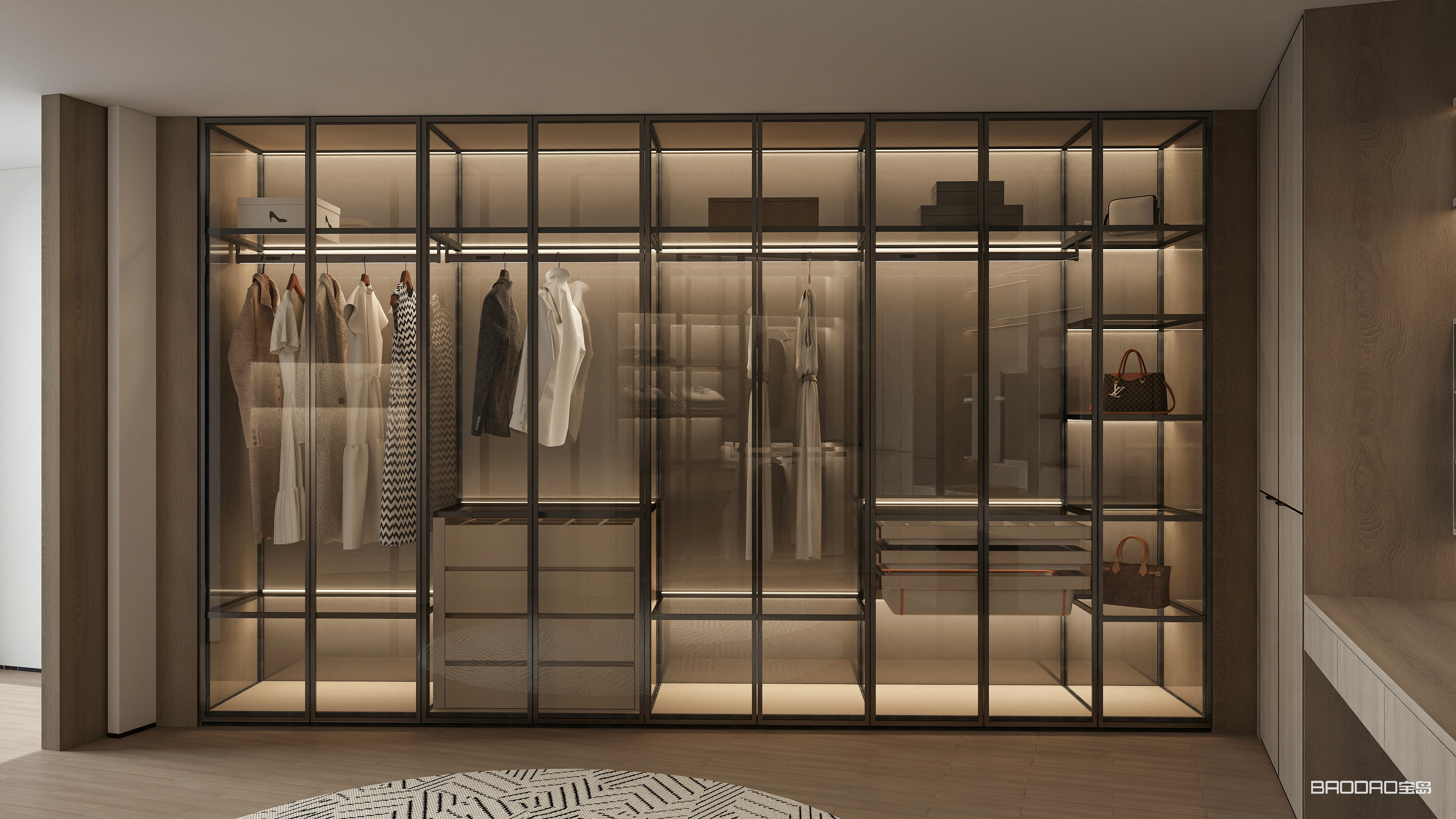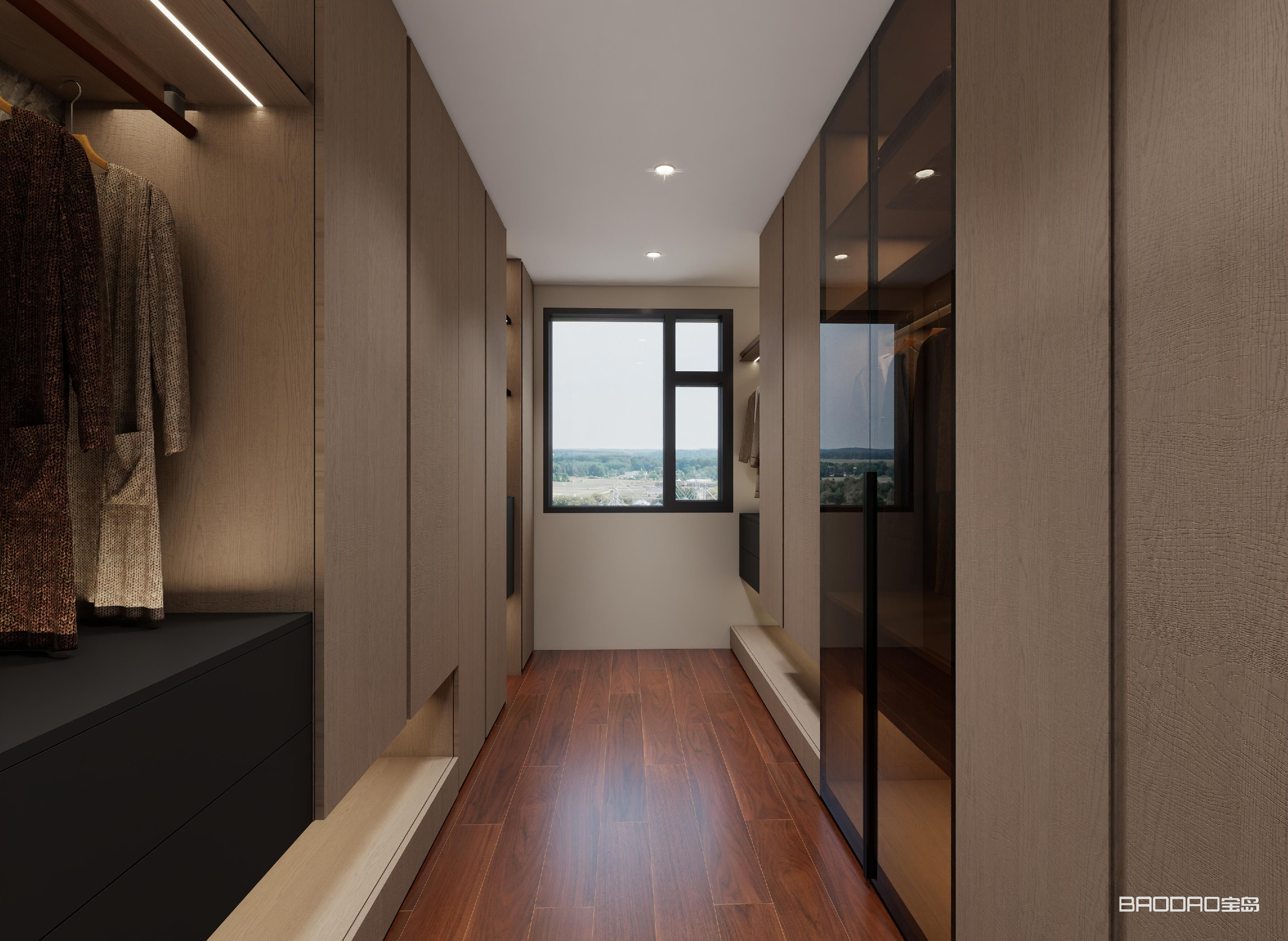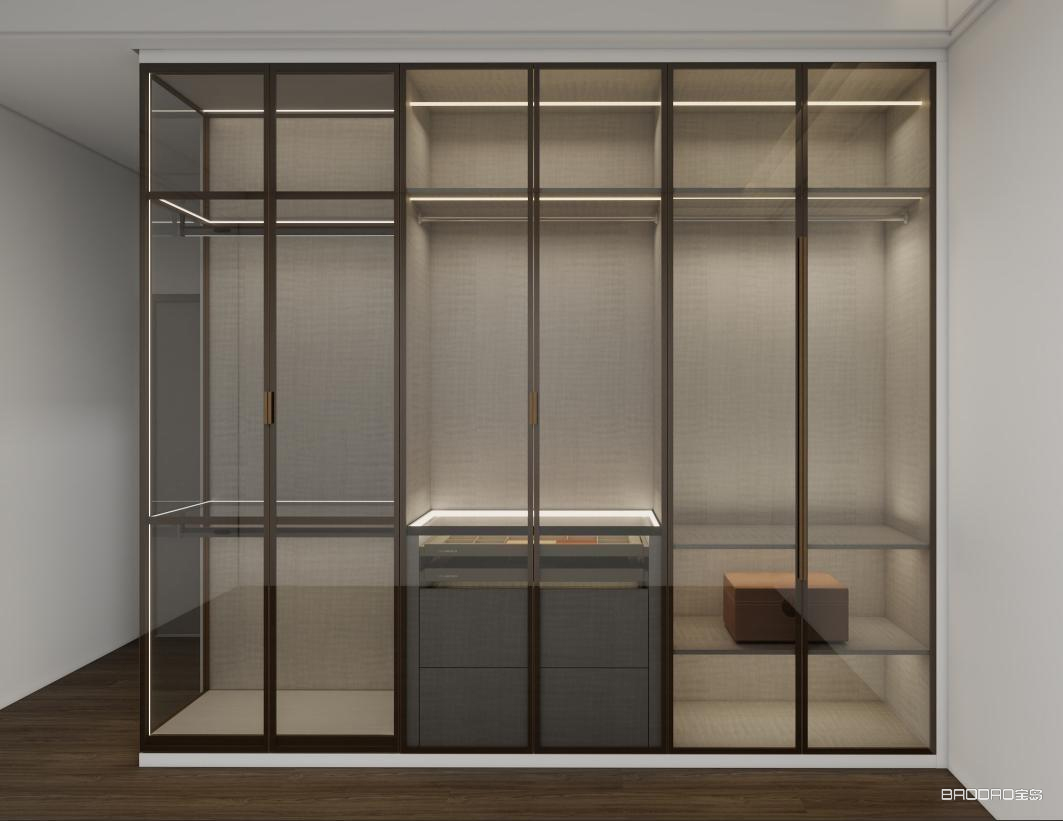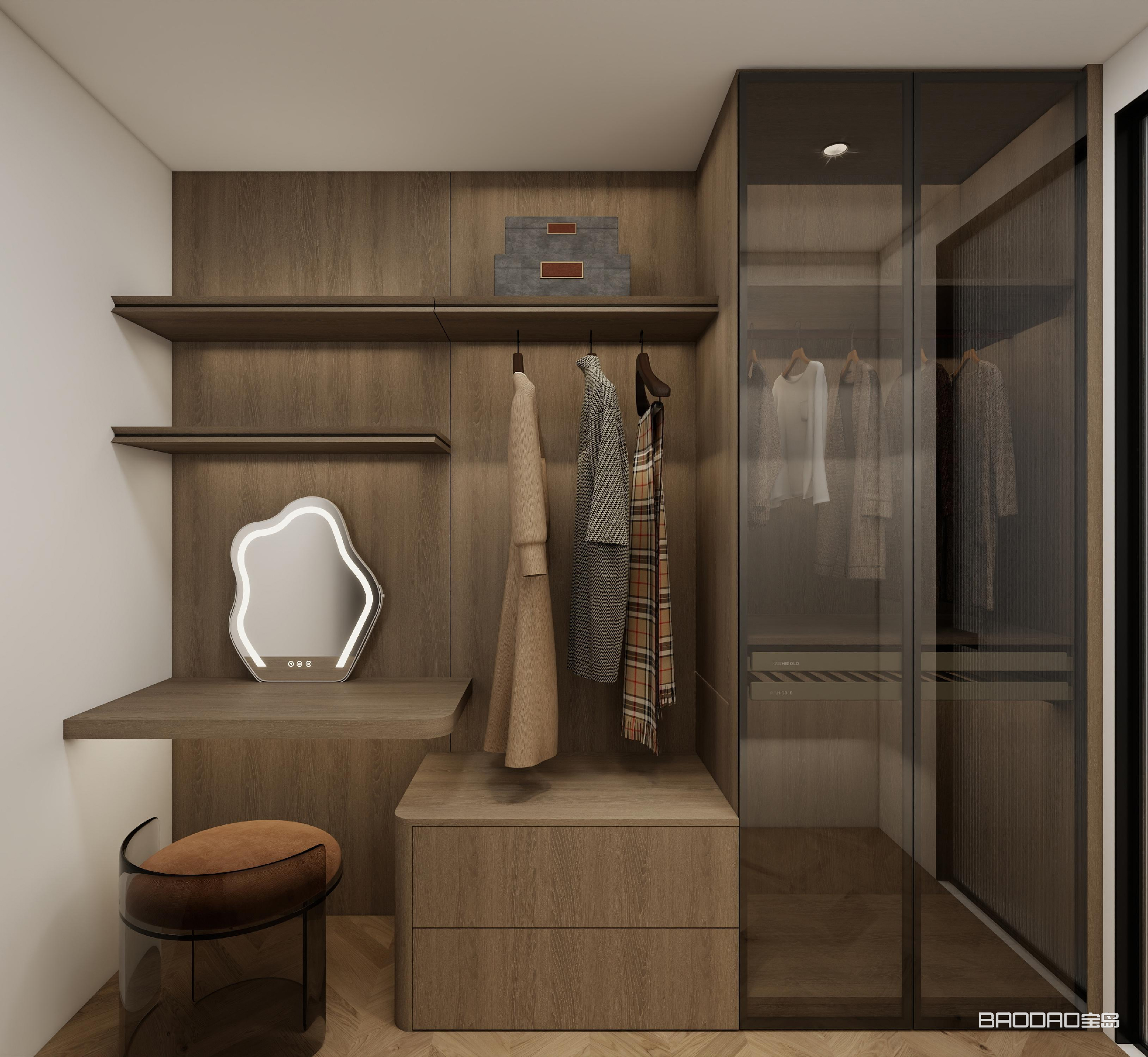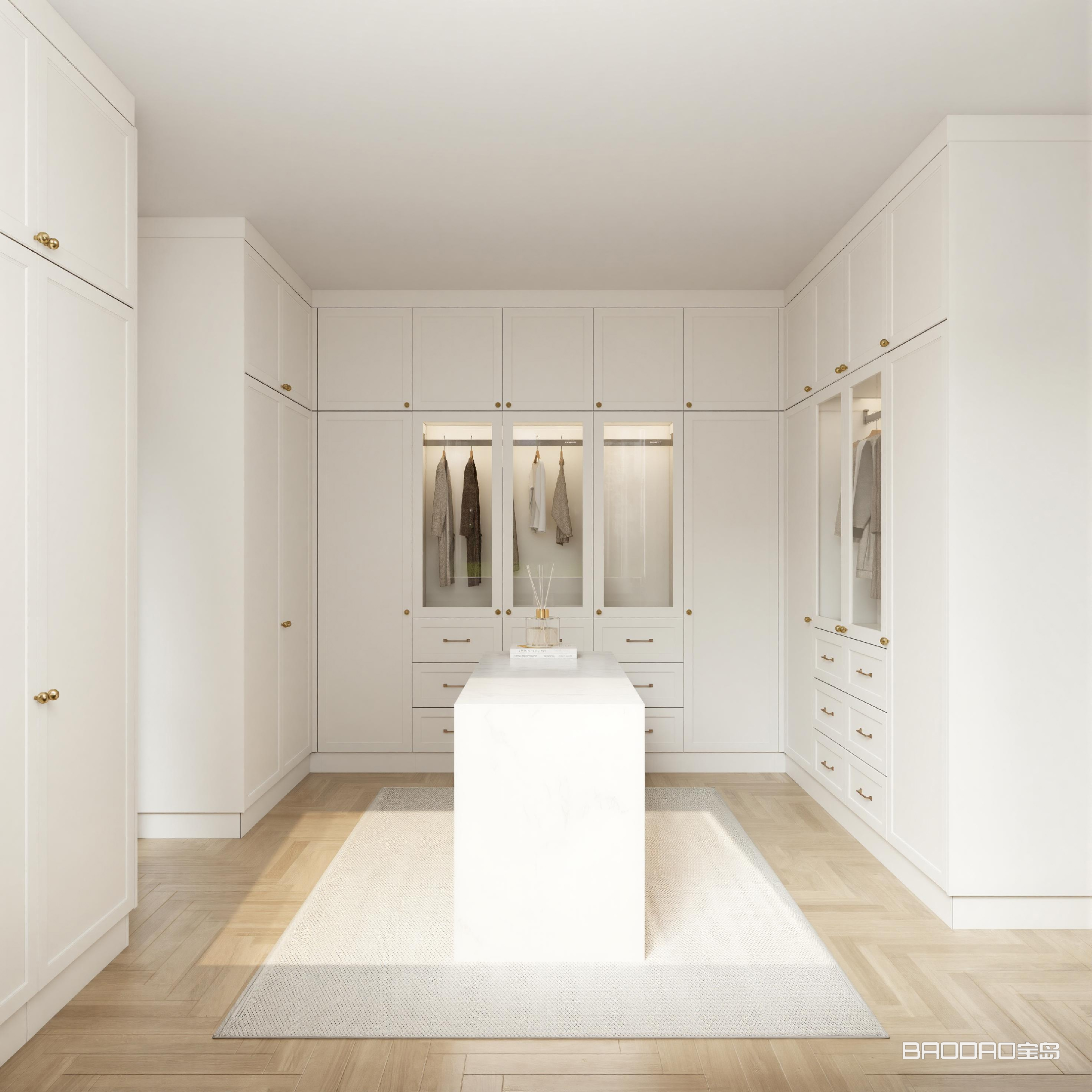
How to Plan the Perfect Walk-In Closet? Key Dimensions That Define Everyday Comfort
How should you plan the dimensions of a walk-in closet? This guide explores the essential measurements for designing a functional walk-in closet, including walkway width, hanging heights, cabinet depth, drawer layouts, and closet island dimensions. Learn how ergonomic planning, efficient storage solutions, and customized wardrobe design can create a space that is both practical and visually refined. Discover how Baodao Home combines whole-home customization, integrated design, premium materials, and precision craftsmanship to create high-quality walk-in closets that offer lasting functionality, timeless aesthetics, and exceptional everyday living.
Foshan, China
June 30, 2026

When planning a walk-in closet, many homeowners focus on cabinet finishes, colors, or lighting. However, one of the most important factors is often overlooked—dimensions.


A truly functional walk-in closet isn’t about fitting in as many cabinets as possible. It’s about creating a space where every area is designed around the way people naturally live. From selecting an outfit and getting dressed to organizing and storing belongings, every movement should feel intuitive—and that starts with thoughtful dimension planning.


At Baodao Home, a walk-in closet is more than a collection of cabinets. It is a carefully designed storage system tailored to each homeowner’s lifestyle. By considering factors such as height, storage habits, and the home’s architectural layout, our designers optimize every dimension to create spaces that are not only visually refined but also comfortable for years to come.

Why Dimensions Matter More Than the Number of Cabinets


A walk-in closet may appear spacious, yet still present daily inconveniences such as:

• Cabinets that are too deep, making clothing difficult to reach.

• Hanging sections that are too tall or too short, wasting valuable storage space.

• Drawers that obstruct circulation when opened.

• Walkways that are too narrow for two people to use comfortably.

• An oversized island that makes the room feel cramped.


These issues are rarely caused by poor cabinetry—they are the result of inadequate space planning.


A well-designed walk-in closet should adapt to the user’s lifestyle, rather than forcing the user to adapt to the space.

01 | Walkway Width: The Foundation of Everyday Comfort


One of the most overlooked aspects of walk-in closet design is circulation space.


Even the most luxurious cabinetry cannot compensate for a walkway that feels cramped.


As a general guideline:

• Single-wall closet layout: Allow approximately 900 mm (35 in.) of clear walkway for comfortable movement and cabinet access.

• Double-sided closet layout: Reserve 1,000–1,200 mm (39–47 in.) to accommodate two users while allowing drawers and doors to open freely.

• Closets with a center island: Maintain at least 1,000 mm (39 in.) between the island and surrounding cabinetry for smooth circulation and easy access.


In luxury residences, generous circulation not only enhances functionality but also creates a greater sense of openness and elegance.

02 | Hanging Heights: Every Garment Needs the Right Space


Different types of clothing require different storage heights.


Properly dividing hanging zones improves both organization and storage efficiency.


Recommended dimensions include:


Long Hanging Section


Ideal for coats, dresses, and trench coats.


Recommended height: 1,400–1,700 mm (55–67 in.)


Short Hanging Section


Suitable for shirts, jackets, and blazers.


Recommended height: 900–1,100 mm (35–43 in.)


A double-hanging configuration can significantly increase storage capacity.


Trouser Storage


Pull-out trouser racks work best at a height of approximately 700–900 mm (28–35 in.), allowing easy access while minimizing wrinkles.


Rather than relying on standardized layouts, Baodao Home customizes these proportions based on each homeowner’s wardrobe and daily habits, ensuring every closet is designed around real-life needs.

03 | Cabinet Depth: Deeper Isn’t Always Better


Many people assume deeper cabinets provide better storage—but that’s not always true.


For most walk-in closets, a cabinet depth of approximately 600 mm (24 in.) comfortably accommodates hanging garments while keeping everything within easy reach.


When cabinets are excessively deep, the back portion often becomes unused, reducing overall efficiency.


Storage for drawers, accessories, handbags, and display shelves can then be adjusted according to individual needs, balancing practicality with visual proportion.

04 | Drawers and Shelving: Balance Is More Important Than Quantity


Adding more shelves doesn’t necessarily improve storage.


Too many shelves often lead to stacked clothing that is difficult to organize and access.


A more effective approach combines drawers, open shelving, and enclosed cabinets.


For example:

• Drawers: Ideal for underwear, jewelry, scarves, and other small accessories.

• Open shelves: Perfect for folded clothing, storage boxes, and luxury handbags.

• Closed cabinets: Best suited for seasonal clothing and less frequently used items, helping reduce dust while maintaining a clean appearance.


This balanced approach improves organization while creating a more refined and cohesive interior.

05 | Center Island: A Functional Luxury


For larger walk-in closets, a center island has become an increasingly popular feature.


Beyond providing additional storage, it creates a more functional and luxurious dressing experience.


A center island can be used for:

• Organizing jewelry and watches

• Folding and arranging clothing

• Daily outfit preparation

• Temporary storage for personal items

• Enhancing the overall sense of sophistication


Typical island dimensions include:

• Height: 850–900 mm (33–35 in.) for comfortable standing use

• Width: 600–800 mm (24–31 in.)

• Length: 1,200–1,800 mm (47–71 in.)

• Clearance: At least 900 mm (35 in.) from surrounding cabinetry for unobstructed movement


In Baodao Home’s custom projects, island dimensions are carefully tailored to each room, ensuring they serve as both a practical workspace and an elegant focal point.

06 | Small Details Create Long-Term Comfort


The best walk-in closets are defined by details that often go unnoticed.


For example:

• Is there sufficient space after drawers are fully extended?

• Do cabinet doors open without interfering with adjacent areas?

• Is the mirror positioned conveniently for dressing?

• Do motion-sensor LED lights automatically illuminate the interior?

• Is there a balanced combination of open display and concealed storage for both aesthetics and easy maintenance?


While subtle, these details have a significant impact on everyday comfort and long-term usability.

From Dimension Planning to Complete Storage Systems


The value of a walk-in closet extends far beyond storage capacity. Through thoughtful planning and systematic design, it becomes a space that genuinely supports everyday living.


At Baodao Home, every custom walk-in closet is carefully planned—from layout, ergonomics, and material selection to lighting design. Each project is tailored to the homeowner’s lifestyle, storage habits, and architectural layout. From standardized manufacturing at our Foshan production facility and pre-assembly testing to precision installation, every stage is carefully controlled to ensure the finished result faithfully reflects the original design vision.


A truly exceptional walk-in closet is not defined by the number of cabinets it contains, but by how effortlessly it supports everyday routines. When every dimension is carefully considered, the closet becomes more than a storage area—it becomes an integral part of a modern home, combining aesthetics, functionality, and lasting value.

从这里开始,让您的空间焕然一新。
点击 “提交”,即表示我已阅读并同意
隐私政策
并同意处理我的个人数据。
谢谢!您提交的内容已收到!
哎哟!提交表单时出了点问题。