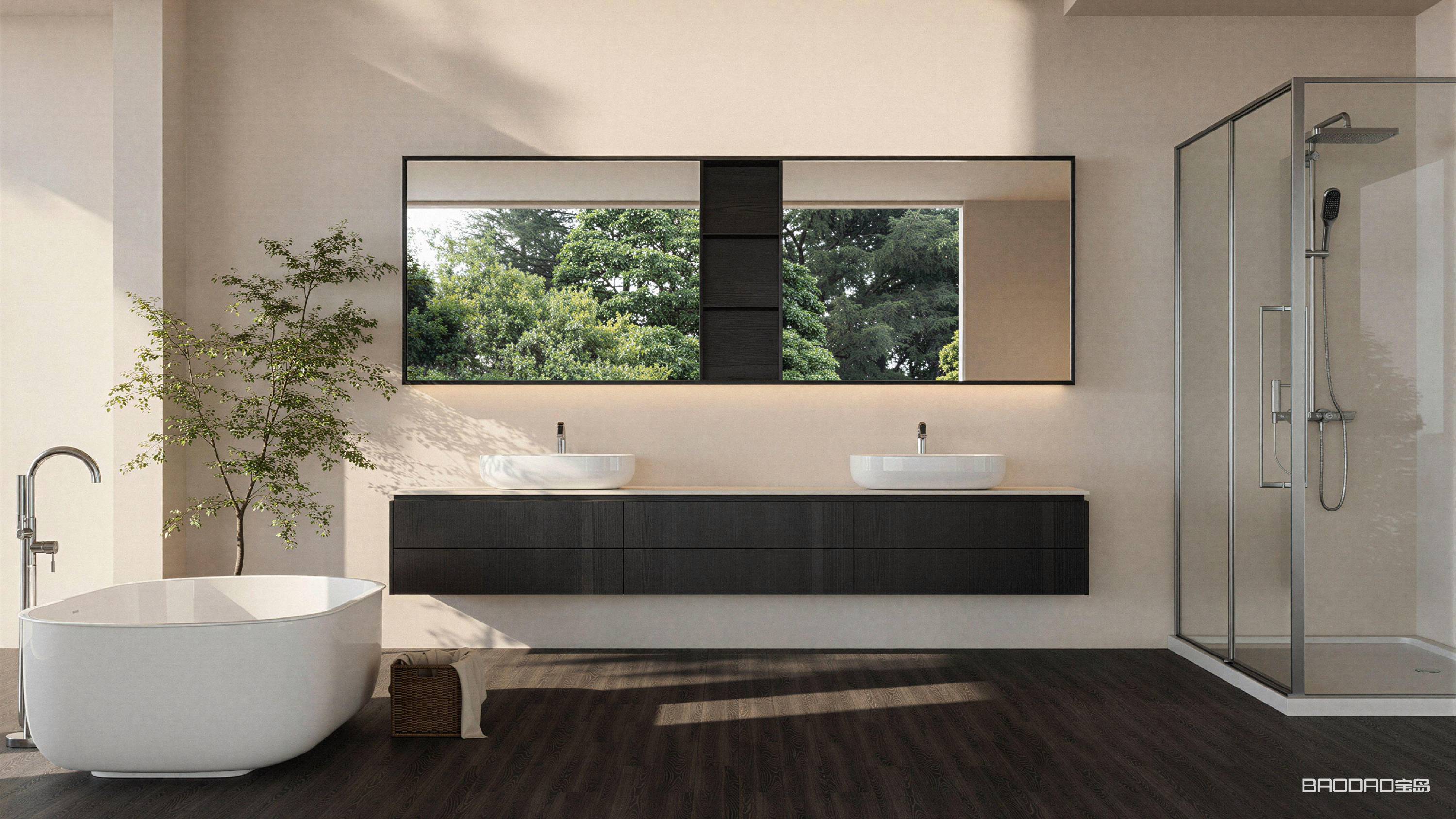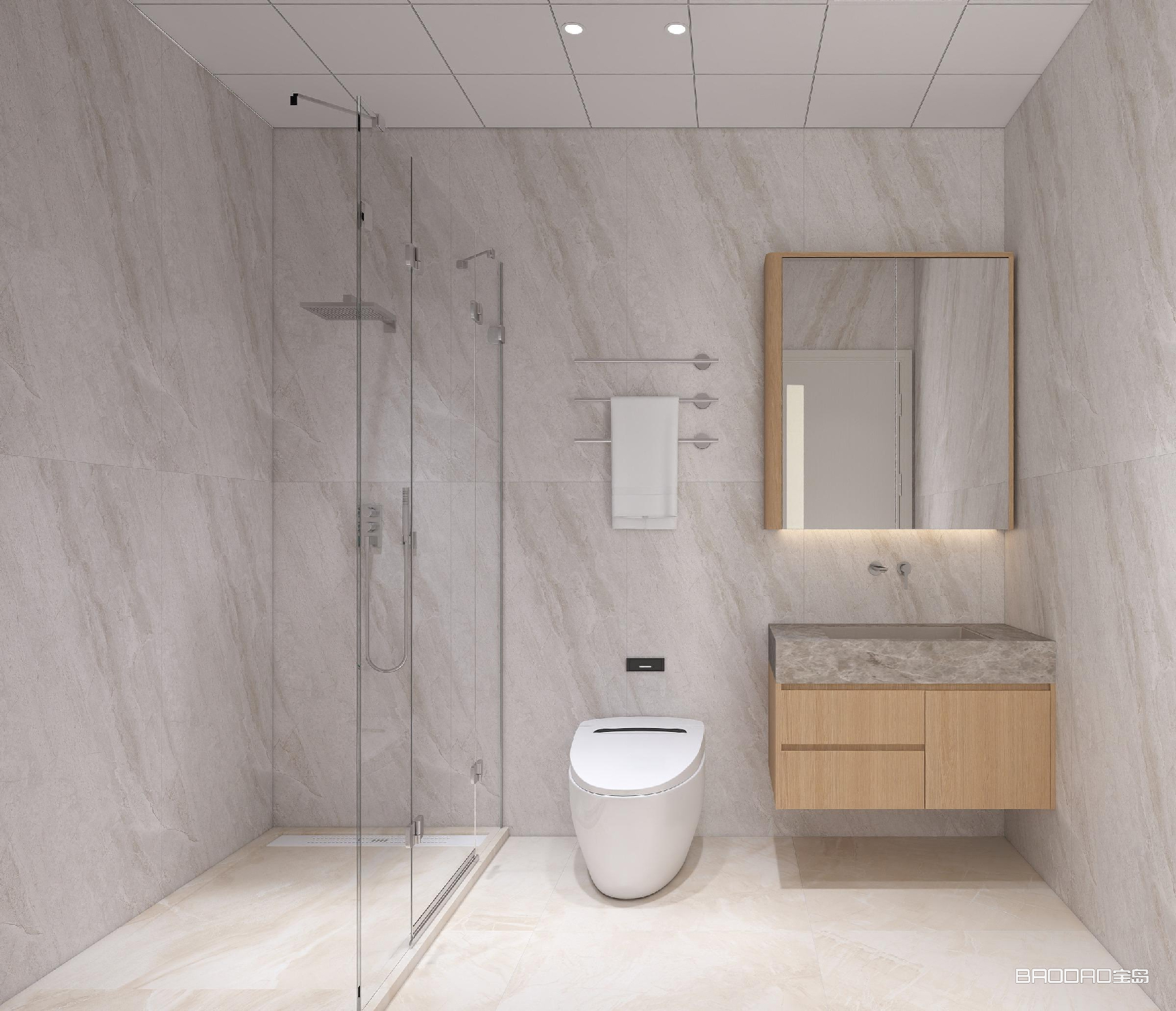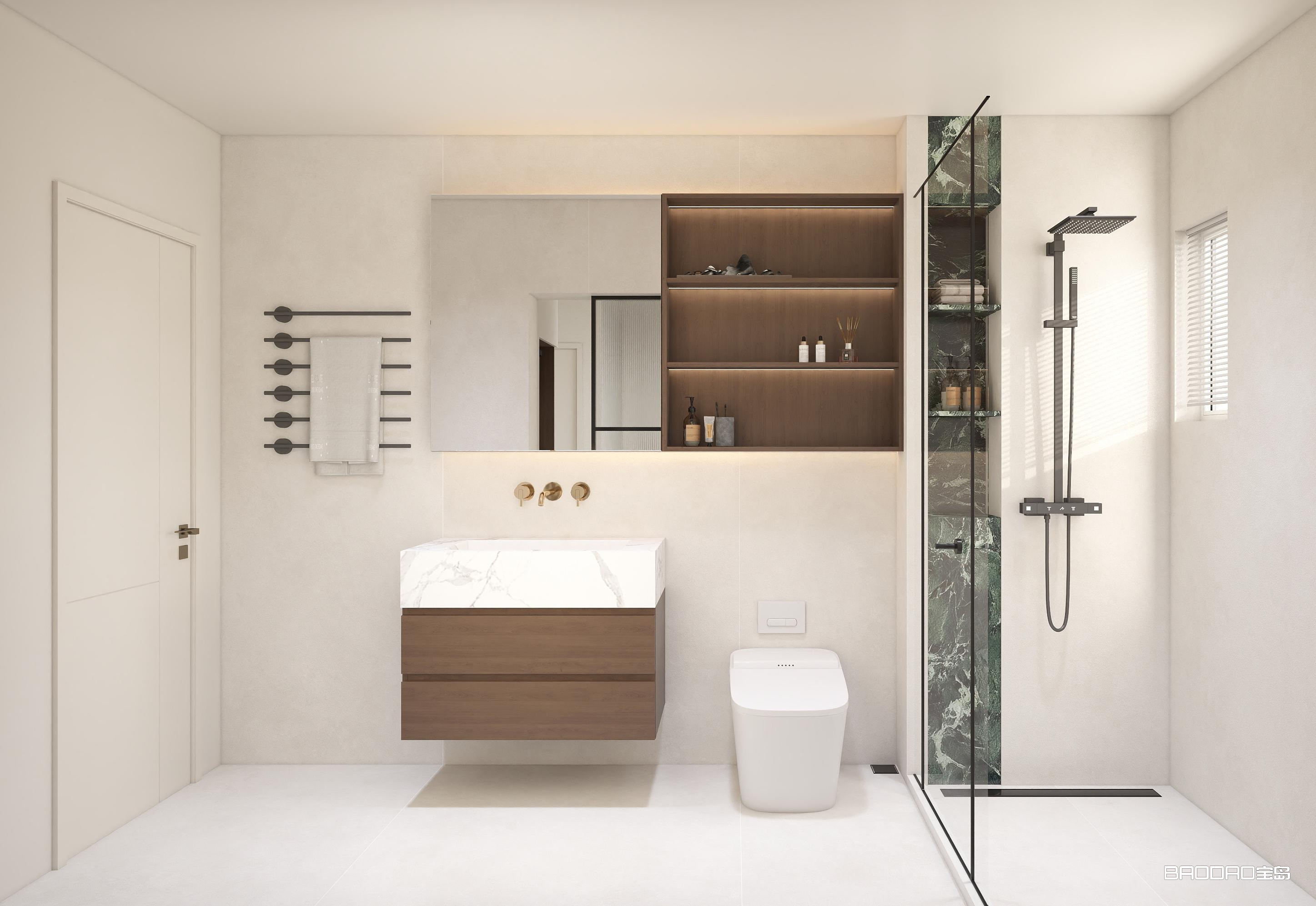
How to Choose the Right Bathroom Vanity Materials: Balancing Sustainability, Moisture Resistance and Durability
Which bathroom vanity material is right for your home? Learn about the characteristics of common materials such as plywood, particle board and MDF, along with key considerations including moisture resistance, environmental standards, PUR edge banding and surface finishes. Discover how to create a bathroom space that is more durable, healthier and easier to maintain for years to come.
Foshan, China
June 29, 2026

Because bathrooms are constantly exposed to humidity, temperature fluctuations and frequent daily use, vanity materials must meet much higher standards than cabinetry used elsewhere in the home. Environmental performance, moisture resistance, structural stability and long-term durability all play a crucial role.


When choosing a bathroom vanity, it’s worth looking beyond colours and styles. The real priority should be selecting materials that can withstand a humid environment while delivering lasting performance, safety and sustainability.


So, how do you choose a bathroom vanity that will stand the test of time?

Eco-Friendly | The First Step to Healthy Living


As people raise their standards for residential environments, eco-friendliness has become a core criterion when selecting whole-house custom cabinetry.


The environmental performance of panels mainly hinges on whether their formaldehyde emission levels comply with international standards. Popular high-grade eco-labels on the market, such as ENF and F★★★★ (F4 Star), impose far stricter limits on formaldehyde release from wood panels.


Tailored to demands of diverse global markets, Baodao Home supplies panel options that meet international environmental benchmarks. While delivering superior eco-performance, our materials also boast outstanding structural stability and long-term durability, crafting a healthier, worry-free living space for every family.


Eco-safe materials are especially vital for relatively enclosed spaces like bathrooms. They not only safeguard indoor air quality, but also guarantee comfortable living experiences over decades of occupancy.

Moisture Resistance | The Key to a Longer-Lasting Vanity


Plywood | Excellent Moisture Resistance


Plywood is manufactured by bonding multiple layers of natural wood veneer in alternating directions, creating a highly stable structure that performs exceptionally well in humid environments. It is therefore one of the most common materials used in premium bathroom cabinetry.


Advantages

• Excellent moisture resistance, ideal for consistently humid environments.

• Strong dimensional stability with minimal risk of warping due to humidity changes.

• High structural strength, making it suitable for floating vanity designs.


Best suited for bathrooms, kitchens, laundry rooms and other high-humidity areas.

Particle Board | A Balance of Stability and Value


Particle board remains one of the most widely used materials in modern custom cabinetry. Many internationally recognised cabinetry brands also utilise high-quality particle board because of its excellent dimensional stability and manufacturing precision.


Advantages

• Excellent dimensional stability with minimal deformation.

• Strong screw-holding capability.

• High machining accuracy, ideal for contemporary minimalist cabinetry.

• Cost-effective while maintaining reliable performance.


Things to Consider


Particle board relies heavily on high-quality edge banding. If edges are not properly sealed, prolonged exposure to moisture can reduce the cabinet’s lifespan. For bathroom applications, premium edge banding technology is essential.


Best suited for bedrooms, walk-in wardrobes, living room storage and dry-zone bathroom cabinetry.

MDF (Medium Density Fibreboard) | Best for Decorative Cabinet Doors


MDF features an exceptionally smooth surface, making it ideal for painted finishes and intricate door profiles.


Advantages

• Smooth surface suitable for high-quality lacquer finishes.

• Easy to machine into decorative mouldings and detailed profiles.


Things to Consider


Because MDF is more susceptible to moisture absorption, it is generally recommended for dry environments or decorative applications rather than continuously humid spaces.

Moisture-Resistant Board | Engineered for Humid Environments


Moisture-resistant board is specially formulated to improve resistance to humidity compared with standard panels.


While it is not waterproof, it offers greater stability and durability in damp environments, making it a dependable option for moisture-prone spaces.

Key Recommendations


When selecting bathroom cabinetry, these practical guidelines are worth keeping in mind:

• Plywood is generally the preferred option for humid environments thanks to its multi-layer construction, which makes it more resistant to moisture penetration.

• Particle board is also a reliable choice, provided it features complete six-sided edge sealing. At Baodao Home, German-imported PUR edge banding technology ensures a tighter seal and significantly enhances moisture resistance.

• MDF is best reserved for decorative applications and is generally not recommended for areas exposed to constant humidity.

Durable Surfaces | Making Everyday Maintenance Easier


While the board material forms the foundation of the cabinet, craftsmanship and hardware ultimately determine how well it performs over time.


Edge Banding | The First Line of Defence Against Moisture


When choosing cabinetry, edge banding is often overlooked.


In reality, the most vulnerable part of any panel is not the surface, but the exposed edges created during cutting.


Poor edge sealing allows moisture to gradually penetrate the core of the panel, potentially leading to:

• Cabinet swelling.

• Peeling edge bands.

• Moisture damage inside the panel.

• Warped doors.

• Reduced product lifespan.


For this reason, quality edge banding is just as important as selecting the right panel material.

Common Edge Banding Technologies


EVA Edge Banding | The Industry Standard


EVA is currently the most widely used edge banding method within the furniture industry.


Its popularity comes from its mature manufacturing process and relatively low production cost.


Advantages

• Cost-effective.

• Proven and reliable production technology.

• Suitable for everyday residential furniture.


Limitations


Over time, especially in humid and high-temperature environments, the adhesive layer may gradually age, resulting in reduced long-term performance.

PUR Edge Banding | The Preferred Choice for Premium Custom Cabinetry


In recent years, PUR edge banding has become the preferred solution for many premium cabinetry manufacturers.


Once cured, PUR adhesive forms a stronger and more stable bond than conventional EVA adhesives.


Key advantages include:

• Superior edge sealing.

• Excellent moisture resistance.

• Better heat and temperature resistance.

• Reduced risk of edge peeling.

• Particularly suitable for kitchens, bathrooms and other humid environments.


Baodao Home adopts German-imported PUR edge banding technology, creating a tighter seal that significantly improves moisture resistance and long-term durability, ensuring cabinetry performs consistently across different climates and regions.

Laser Edge Banding | A Nearly Seamless Finish


Laser edge banding represents one of the most advanced edge finishing technologies available today.


Instead of relying on traditional adhesive layers, laser technology bonds the edge directly to the panel, producing an almost invisible joint.


Its main benefits include:

• Finer, cleaner joints.

• A more seamless appearance.

• Outstanding long-term durability.


Due to its high equipment and manufacturing costs, laser edge banding is currently reserved for selected premium product ranges.

Surface Finishes | Equally Important for Everyday Performance


Different surface finishes suit different lifestyles and design preferences.


Lacquer Finish


Offers a refined, high-gloss appearance with excellent water resistance, although it is more susceptible to impact damage.


PET Finish


Provides a soft-touch matte texture with excellent scratch resistance, fingerprint resistance and easy maintenance, making it ideal for modern minimalist interiors.

Natural Wood Veneer


Adds warmth and authentic natural texture to the bathroom while creating a more inviting atmosphere. Proper waterproof treatment is recommended for long-term performance.


Melamine Finish


Highly resistant to scratches and wear, offering excellent durability and outstanding value for money.


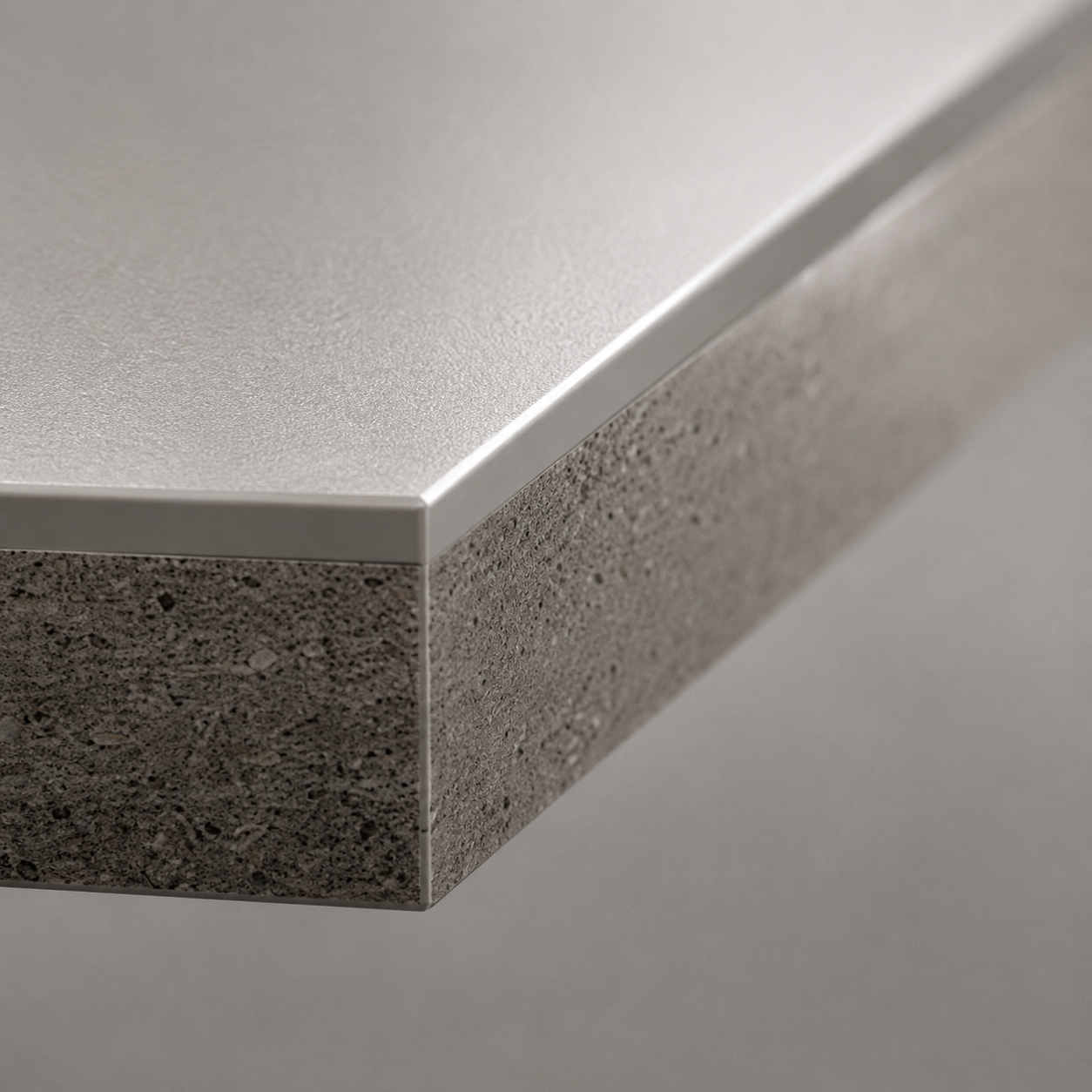
Sintered Stone Countertops


Highly resistant to scratches, stains and heat, making them an ideal choice for frequently used bathroom spaces.


At Baodao Home, we manufacture a wide range of premium surface finishes in-house, including lacquer, wood veneer and PET finishes. Our finishing systems achieve a surface hardness of up to 5H, delivering outstanding scratch resistance, moisture resistance and long-lasting durability.

Choosing a Bathroom Vanity Is an Investment in the Next Decade of Living


A bathroom vanity is used every day. It affects not only storage efficiency but also the overall comfort, functionality and longevity of the bathroom.


Environmentally responsible materials create a healthier indoor environment. Stable construction extends product lifespan. Superior moisture resistance keeps cabinetry looking and performing like new, while meticulous craftsmanship enhances every daily interaction.


At Baodao Home, custom cabinetry is never simply about building cabinets. It is about combining integrated design, premium materials and precision manufacturing to create living spaces that remain beautiful, functional and comfortable for many years to come.

从这里开始,让您的空间焕然一新。
点击 “提交”,即表示我已阅读并同意
隐私政策
并同意处理我的个人数据。
谢谢!您提交的内容已收到!
哎哟!提交表单时出了点问题。