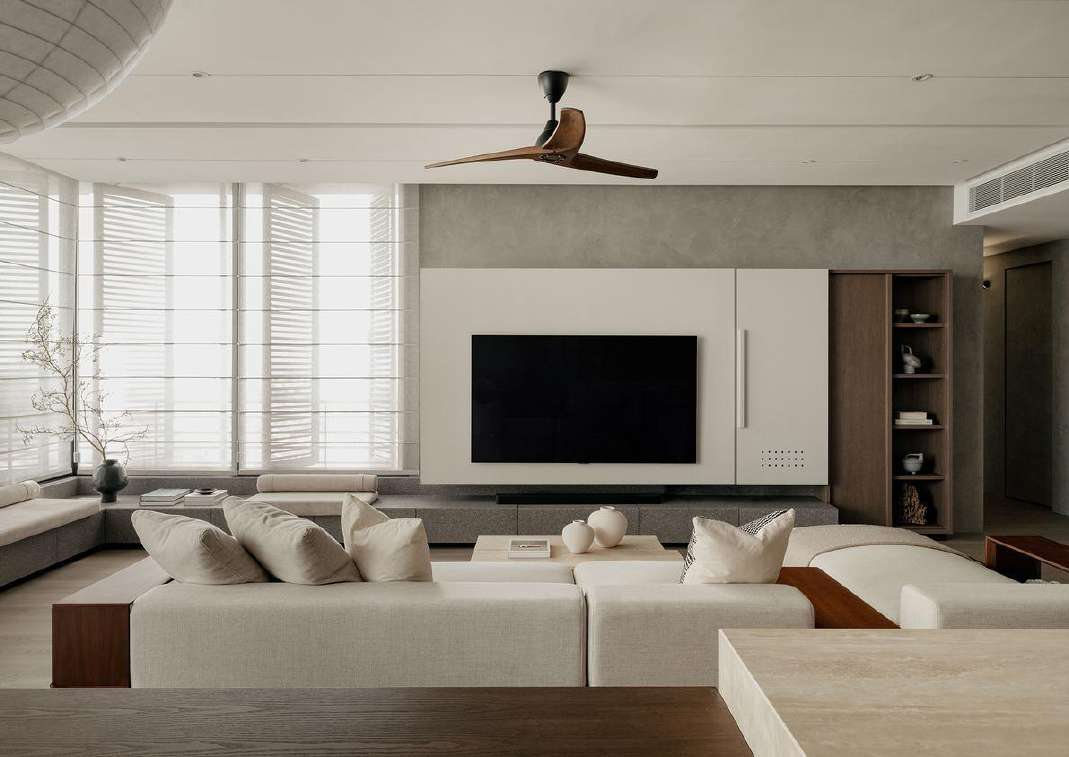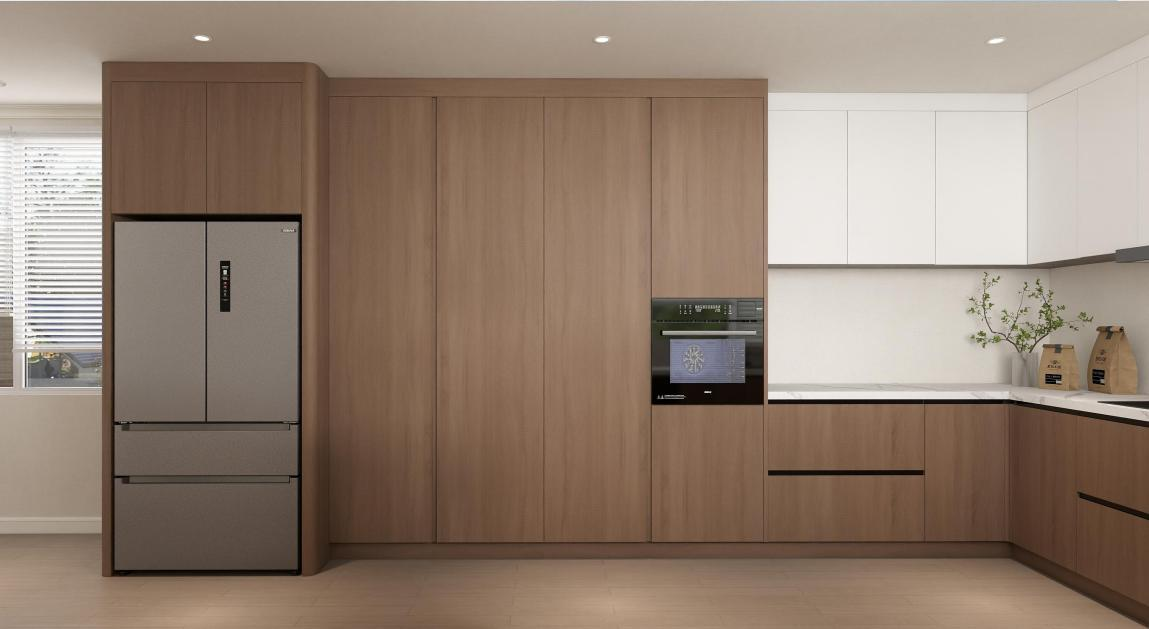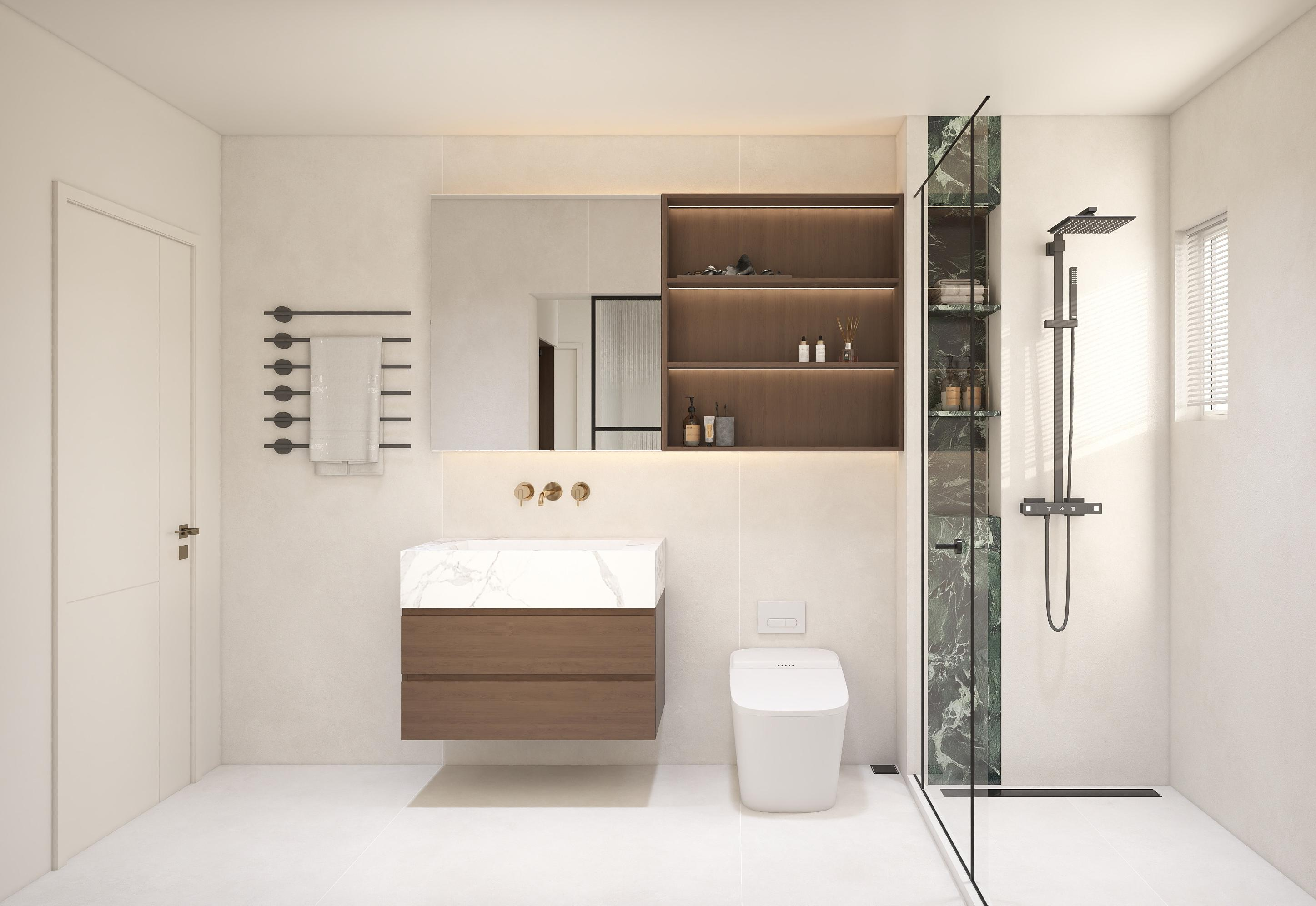
In contemporary high-end residential design, minimalism has become one of the dominant spatial languages. From modern Australian homes to international luxury apartments, and from open-plan kitchens to integrated cabinetry systems, more and more projects are embracing restraint, purity, and spatial simplicity. However, true minimalist spaces are not simply about reducing elements, nor does “less” automatically mean “more luxurious.” In fact, the cleaner, calmer, and more restrained a space appears, the more it relies on precise craftsmanship behind the scenes.

Many people mistakenly assume that minimalist design is easier to execute. In reality, traditional interior styles can rely on decorative moldings, layered materials, and ornamental details to distract the eye from imperfections. Minimalist spaces, however, remove most decorative elements, meaning every detail becomes highly visible. Cabinet alignment, shadow gaps, lighting precision, material transitions, and finishing quality all directly affect the overall spatial experience. As a result, what truly defines a high-end minimalist interior is not simplicity itself, but the level of craftsmanship control behind that simplicity.
In modern residential projects, handle-free cabinetry has become one of the defining characteristics of minimalist design. While it may appear visually simple, handle-free systems demand significantly higher precision standards. Traditional handles naturally distract from inconsistencies in cabinet alignment, but once handles are removed, visual focus shifts entirely to proportions, lines, and gaps. Even slight inconsistencies in alignment, spacing, or shadow lines can immediately reduce the perceived quality of a space. For this reason, premium minimalist projects often emphasize ultra-narrow gap control, consistent horizontal alignment, and concealed opening systems, using millimeter-level precision to maintain a clean and refined appearance.

At the same time, minimalist interiors place exceptional importance on detailing and finishing transitions. As contemporary homes increasingly pursue integrated spatial design, the relationship between cabinetry, walls, ceilings, and flooring becomes critically important. If transitions between materials are poorly handled, the space can quickly appear fragmented and visually heavy. High-end projects therefore rely on ultra-slim edging, seamless connections, color-matched edge banding, and recessed shadow-gap detailing to create smoother transitions between wood veneer, stone surfaces, glass, and cabinetry systems. In truly refined minimalist spaces, joints and transitions are often intentionally concealed within the architecture itself, allowing the entire space to feel more cohesive and uninterrupted.
Lighting design is another essential component of contemporary minimalist interiors. Modern luxury residences increasingly follow the principle of “seeing the light, not the fixture.” In other words, the focus is no longer on decorative lighting elements themselves, but on the atmosphere created by light. Concealed linear lighting, recessed light troughs, integrated cabinet lighting, and floating illuminated structures are now widely used to enhance spatial layering while preserving visual purity. Lighting systems are carefully embedded into ceilings, cabinetry, and architectural structures to eliminate unnecessary visual distractions. The soft and seamless lighting effects seen in high-end interiors are often the result of highly coordinated detailing, structural planning, and precision installation.

Material application within minimalist spaces may appear restrained, but the fewer the materials used, the more important precision becomes. Modern luxury interiors commonly combine wood veneer, sintered stone, glass, and metal elements, all of which require highly controlled detailing to achieve a cohesive result. The continuity of wood grain, the precision of stone corners, the alignment between glass and timber surfaces, and the proportional balance between different material thicknesses all directly influence the sophistication of a space. Many premium residential projects even emphasize 45-degree joint detailing, continuous grain matching, and seamless corner transitions to reduce visible construction lines and maintain visual purity.

In recent years, floating structures have also become a defining feature of modern minimalist homes. Floating TV units, bathroom vanities, desks, and platform systems are widely used to reduce visual heaviness and create a lighter spatial atmosphere. However, what appears visually effortless often requires significant structural engineering behind the scenes. High-quality floating systems typically rely on concealed steel reinforcements, hidden load-bearing structures, and highly accurate leveling systems, often integrated with concealed lighting solutions. Achieving visual lightness while maintaining structural stability requires careful coordination between craftsmanship, engineering, and installation precision.

Ultimately, the essence of minimalist luxury does not lie in how expensive the materials are, but in how unified the entire spatial system feels. Truly sophisticated spaces create a sense that every element belongs to the same architectural language. Cabinet proportions, lighting color temperature, wood grain direction, hardware finishes, and shadow-gap consistency must all work together harmoniously. This sense of cohesion is one of the most important characteristics of contemporary high-end minimalist interiors.
For this reason, the true value of modern minimalist spaces lies not merely in the design style itself, but in the precision and discipline behind its execution. The more restrained a space appears, the more it depends on advanced craftsmanship, structural logic, and meticulous detailing. Many truly luxurious homes may initially seem visually simple, yet behind every clean line, seamless transition, and soft lighting effect lies an extraordinary level of technical control and spatial refinement.
This is precisely why, in contemporary high-end residential design, true luxury is often hidden within the details that remain unseen.