
I. Minimalism Has Become a Mainstream Residential Aesthetic in Australia
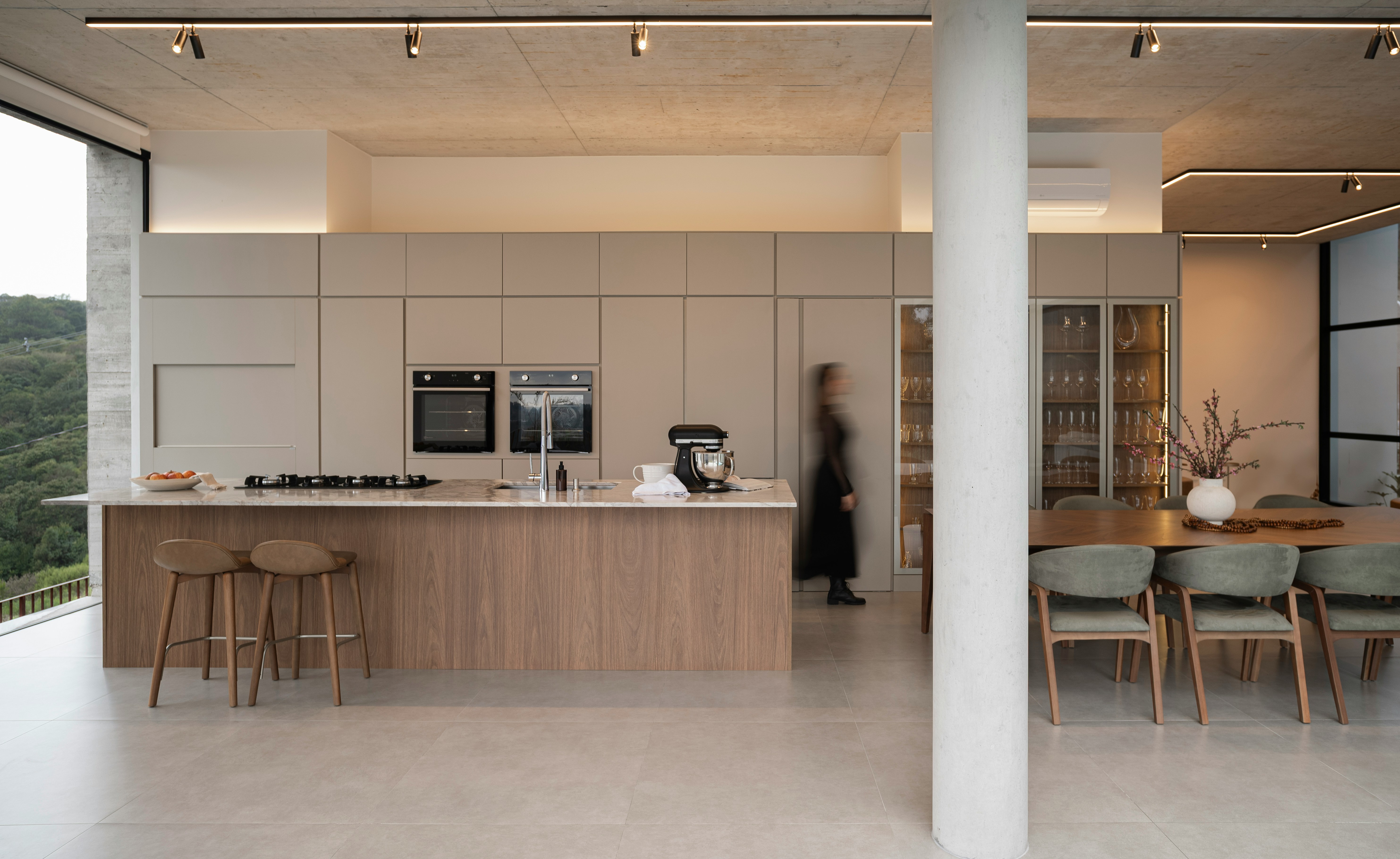
As design styles such as Modern Minimalism, Warm Minimalism, and Japandi continue to gain popularity across Australia, residential spaces are increasingly focused on reducing visual clutter and creating calm, refined living environments through restrained design language.
Traditional exposed handles, while functional, often interrupt cabinetry lines and create visual fragmentation across large surfaces.
Handle-free systems, by contrast, offer several advantages:
• Cleaner and more seamless cabinetry elevations
• Greater continuity of spatial lines
• Reduced visual interference from hardware
• A more refined and contemporary appearance
Especially in open-plan homes, this “clean elevation” approach strengthens the sense of visual integration throughout the space.
II. Cabinetry Is Becoming More Architectural
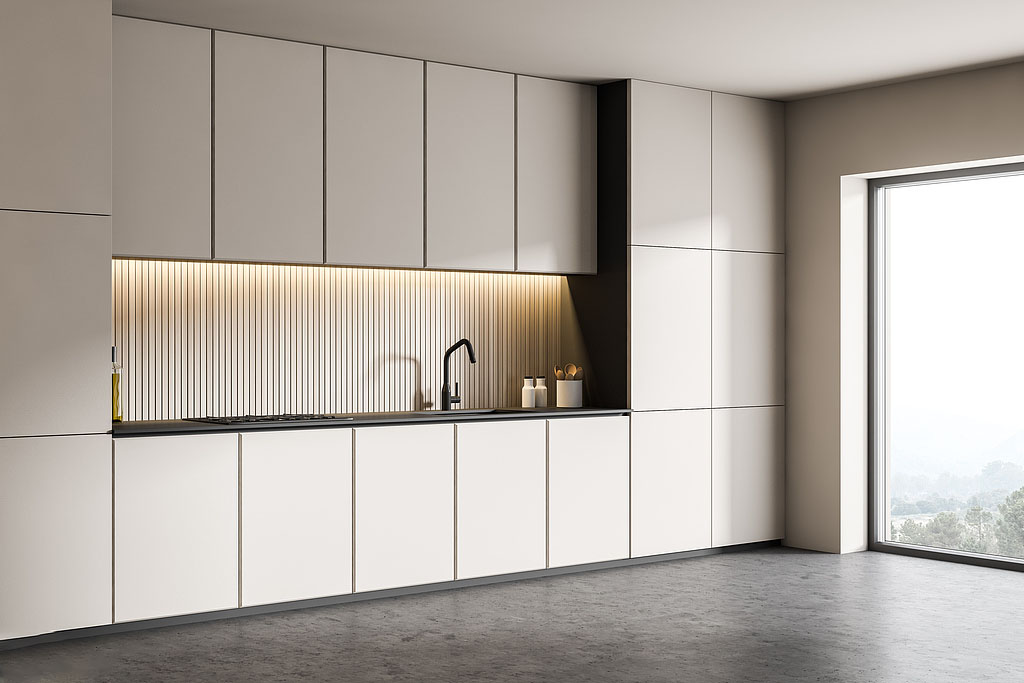
In traditional residential design, cabinetry was often treated as standalone furniture. Today, however, modern Australian homes increasingly embrace the concept of:
“Cabinetry as Architecture”
In other words, cabinetry is no longer viewed simply as storage, but as an integral part of the architectural space itself.
Modern residential design now commonly features:
• Tall cabinetry integrated seamlessly into walls
• Full-height wardrobe systems
• Concealed appliance integration
• Continuous wood veneer and cabinetry surfaces
Handle-free systems help reduce the “furniture-like” appearance of cabinetry, allowing spaces to feel more cohesive, minimal, and architectural.
This design philosophy is becoming a defining characteristic of contemporary Australian homes.
III. Open-Plan Kitchens Are Driving the Popularity of Handle-Free Systems
Open-plan kitchens remain one of the most iconic features of Australian residential design.
Today, the kitchen is no longer just a functional cooking area — it has evolved into:
• An extension of the living space
• A social hub for family interaction
• The visual centerpiece of the home
As a result, kitchen design must balance:
• Functional efficiency
• Aesthetic expression
• Spatial cohesion
Traditional handles can create excessive visual detail, while handle-free systems allow kitchens to feel more like integrated living spaces rather than purely functional work zones.
Common handle-free opening systems used in Australian homes include:
• J Pull
• Finger Pull
• Push Open
• Shadow Line
These concealed opening solutions maintain usability while reinforcing the clean visual language of modern minimalist interiors.
IV. Modern Homes Are Increasingly Focused on Timeless Design
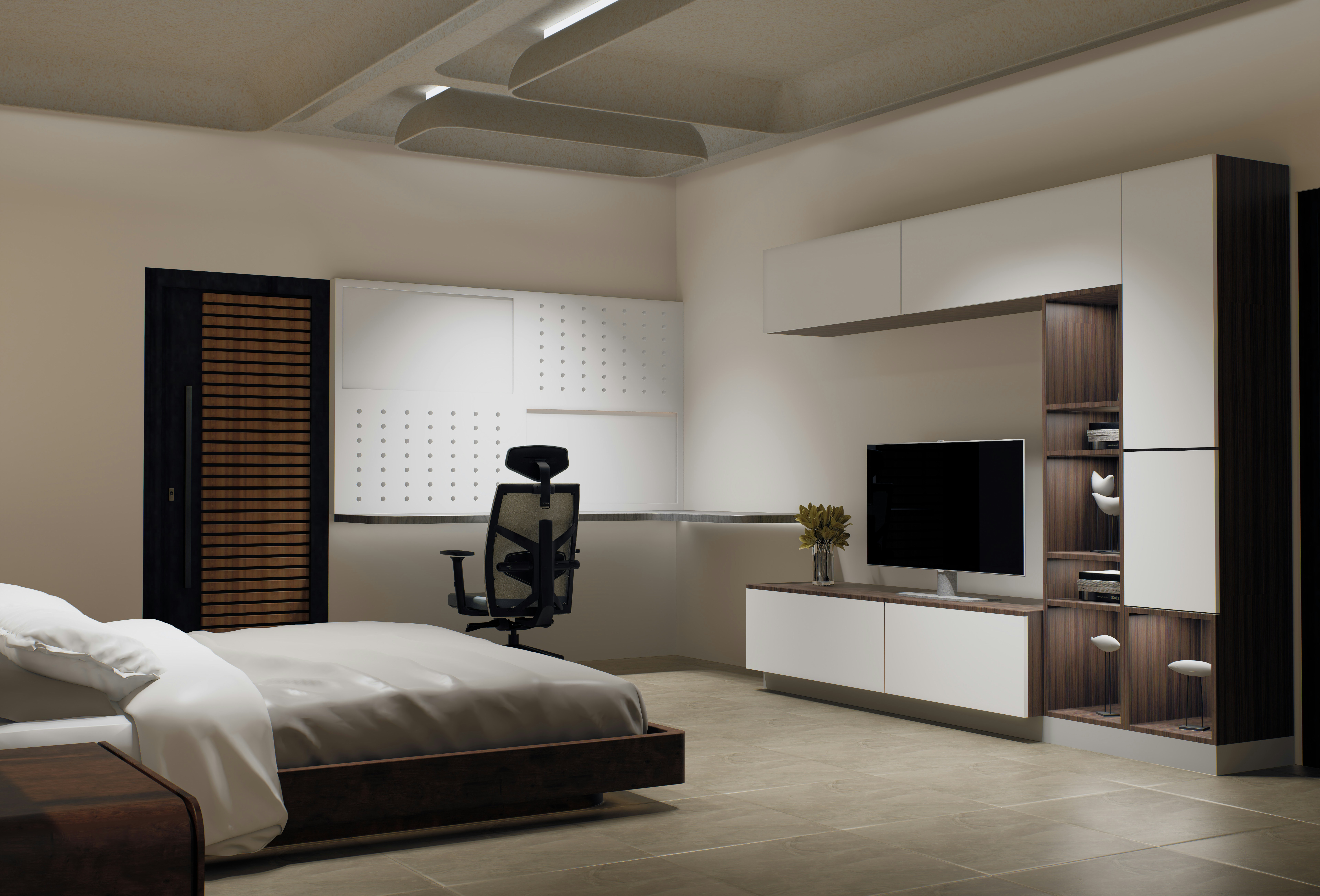
More Australian homeowners are prioritizing long-term design value when planning their interiors.
Compared with traditional metal handles, handle-free systems offer stronger timeless appeal:
• Less likely to go out of style
• Easier to adapt to evolving interior trends
• Better suited to long-term living environments
In modern luxury homes, minimalist cabinetry systems have gradually become a form of “low-interference design,” allowing spaces to remain elegant and contemporary for years to come.

V. Lighting and Handle-Free Systems Create a More Cohesive Spatial Expression
Modern residential interiors place increasing emphasis on the integration between lighting systems and cabinetry structures.
Handle-free designs pair particularly well with:
• Concealed LED lighting
• Floating cabinetry systems
• Full-height cabinet doors
• Ultra-slim shadow gaps
When illuminated, these elements enhance the clarity of lines and spatial layering, reinforcing the refined atmosphere of contemporary homes.
As a result, the combination of “handle-free cabinetry + concealed lighting” has become a defining feature in many high-end Australian residential projects.

VI. From Functional Customization to Spatial Aesthetic Integration
The growing popularity of handle-free cabinetry reflects a broader evolution in Australian residential design — from purely functional customization toward holistic spatial design.
Today’s luxury homes are no longer focused solely on storage capacity. Greater attention is being given to:
• Spatial order
• Visual cohesion
• Architectural expression
• Long-term living comfort
Handle-free cabinetry is a direct response to this shift.
More than simply a cabinet opening solution, it represents a contemporary pursuit of purity, restraint, and integrated spatial aesthetics within modern residential living.

Block Quote