
Choosing a joinery supplier affects far more than the price of the cabinets. The supplier must translate design intent into accurate shop drawings, source the agreed materials and hardware, control production tolerances, prepare products for transport and provide information that the installation team can use on site.
These responsibilities become more important on international projects. Custom kitchens, wardrobes, bathroom vanities, interior doors and wall panels may travel through a factory, warehouse, container, port and local transport network before installation begins. A missing detail at the drawing or production stage can become an expensive site problem after shipping.
The ten questions below help homeowners, architects, interior designers, builders and developers compare custom joinery suppliers on evidence rather than presentation alone. Ask each supplier for written specifications, drawings, samples, photographs and clearly defined responsibilities before approving an order.

Send the same project information to every shortlisted supplier so the responses are comparable. At minimum, provide the project location, architectural drawings, room schedule, required product scope, preferred materials, target programme and any destination-market requirements already known. Record each answer in writing and attach the supporting documents to the quotation or contract. A lower price is difficult to evaluate if the material grade, hardware model, drawing service, quality checks, packaging or technical support are different.

A direct manufacturer controls production inside its own facility. A trading company may coordinate several factories. Either model can work, but the buyer needs to understand who purchases materials, prepares drawings, schedules production, performs quality checks and approves packaging.
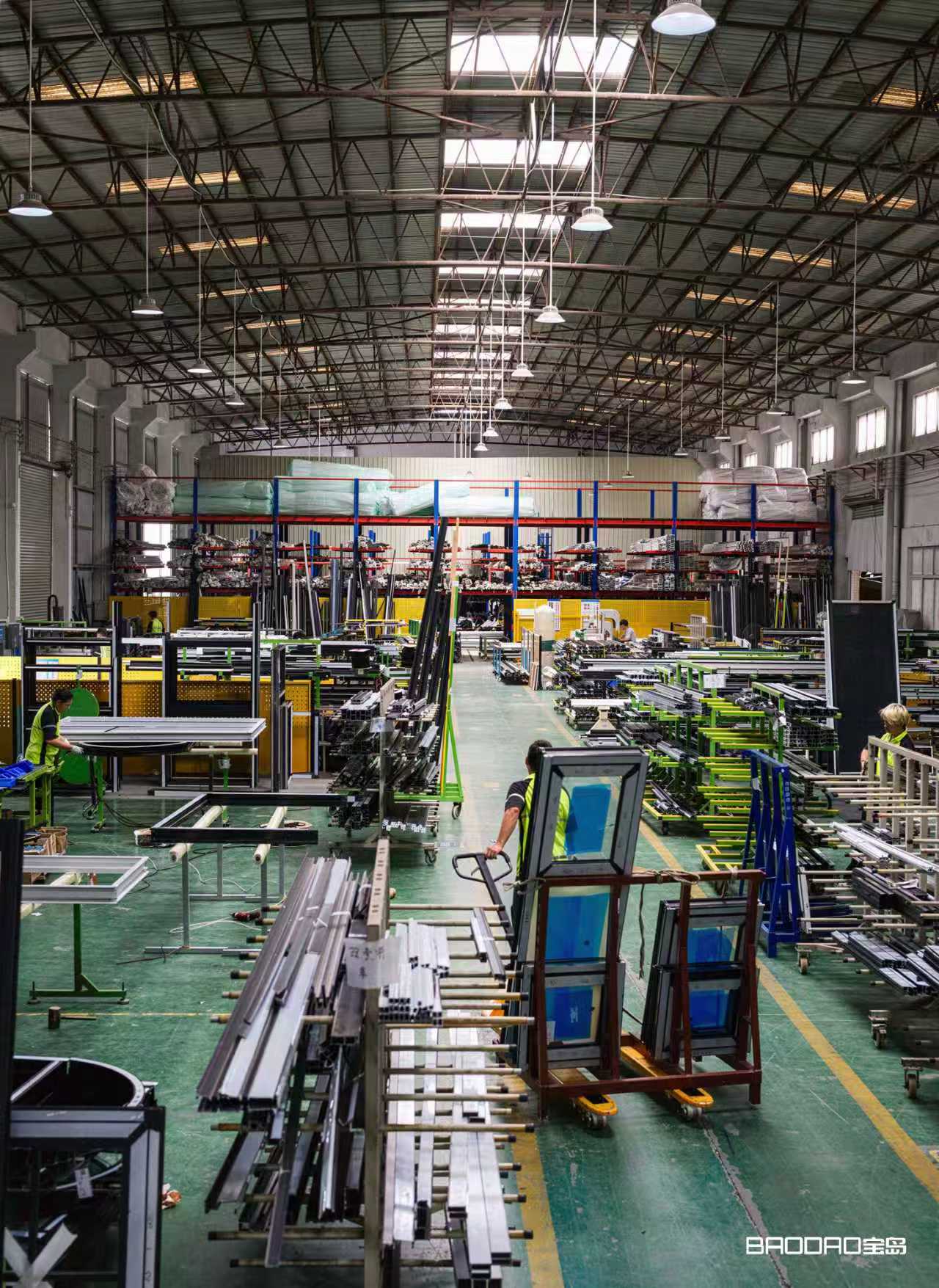
Ask for the factory address, production videos, main equipment, in-house and outsourced processes, normal capacity and the person responsible for your order. For large or unusual projects, arrange a factory visit or a live video walkthrough if possible.
• Business and manufacturing information that identifies the legal supplier and production site.
• A list of processes completed in house and work sent to subcontractors.
• Recent factory photographs or video showing relevant production lines.
• A quality control flow and an identified project contact.
Some suppliers focus on individual kitchen or wardrobe orders. Others can coordinate cabinetry, vanities, doors and wall panels as one package. The second approach can reduce colour variation, conflicting details and duplicated coordination when a project requires a consistent material language across several rooms.
Confirm which categories are manufactured or managed by the supplier, whether they use one approved sample system and how junctions between cabinets, walls, doors, ceilings and floors are detailed. The quotation should also separate included products from items supplied by other trades.
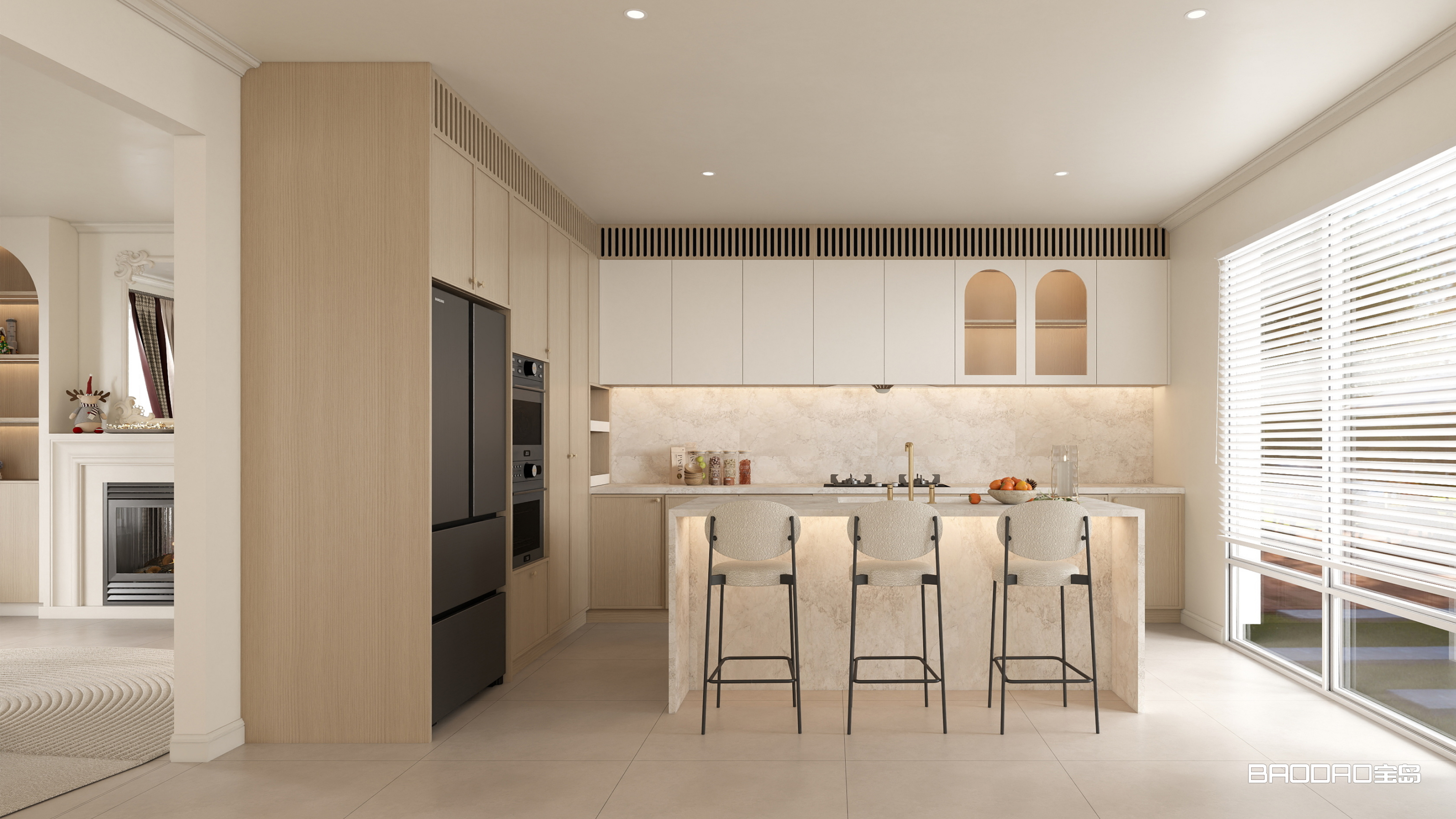
Concept drawings and renderings communicate appearance. Shop drawings explain how the joinery will be made and installed. They should show dimensions, cabinet construction, panel thicknesses, fillers, scribes, door swings, hardware positions, service clearances and the interfaces with surrounding building work.
Ask who prepares the drawings, which file formats are issued, how revisions are tracked and who must approve the final set. Mechanical and electrical points, lighting channels, appliance clearances and site dimensions should be coordinated before production where they affect the joinery.
The approval sequence should be visible:
• Architectural drawings and site information received.
• Joinery layouts and technical details developed.
• Materials, colours and hardware confirmed by sample or schedule.
• Final shop drawings signed off before production.
The finish name alone is not a complete specification. Ask about the substrate, surface finish, thickness, edge treatment, colour reference, intended use and care requirements. A supplier should also explain which materials are suitable for wet areas, high-use doors, curved components or large-format panels.
Physical samples are essential when appearance matters. Confirm how samples are labelled and approved, whether production will match the approved reference and how the supplier manages natural variation or batch differences. Request any material or emissions documentation required for the destination market rather than assuming it is included.
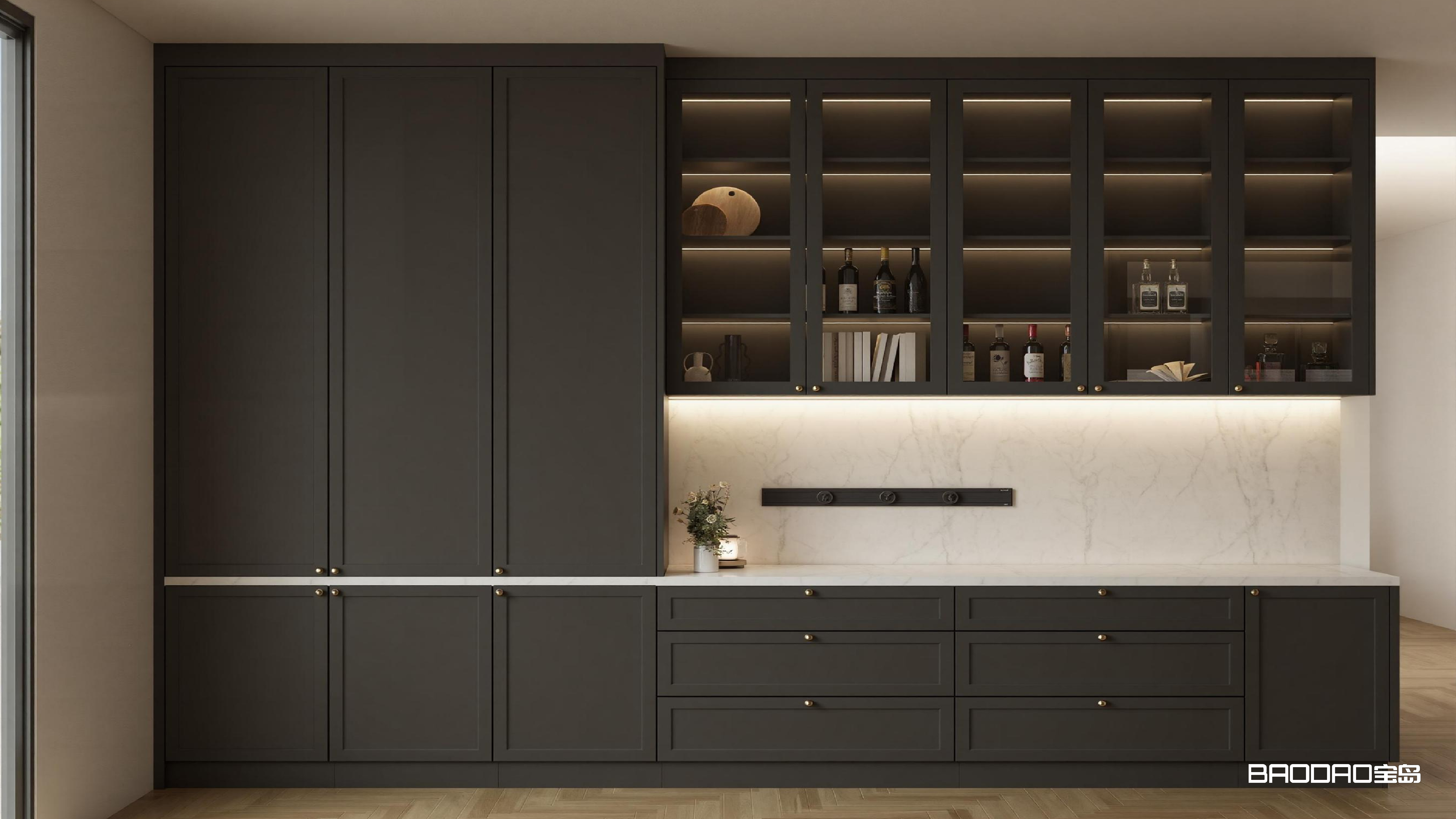
Hinges, drawer runners, lift-up mechanisms, wardrobe fittings and internal accessories affect daily use and future maintenance. A quotation that says only premium hardware is too vague for a reliable comparison.
Ask the supplier to list the brand, model or product series, finish, quantity and soft-close or load-related requirements where relevant. Confirm which hardware is standard, which is an upgrade and whether replacement parts can be sourced in the project market.
Manufacturing quality is visible at the edges and junctions. Uneven door gaps, exposed glue lines, chipped corners, misaligned grain and inconsistent reveals can make an otherwise good design look poorly executed.
Review close-up samples rather than relying only on full-room photographs. Ask about edge-banding adhesive and equipment, machining tolerances, drilling control, connector systems and the inspection standard for door alignment. Curved panels, open shelving, glass doors and high-gloss finishes deserve separate sample checks because small defects are easier to see.
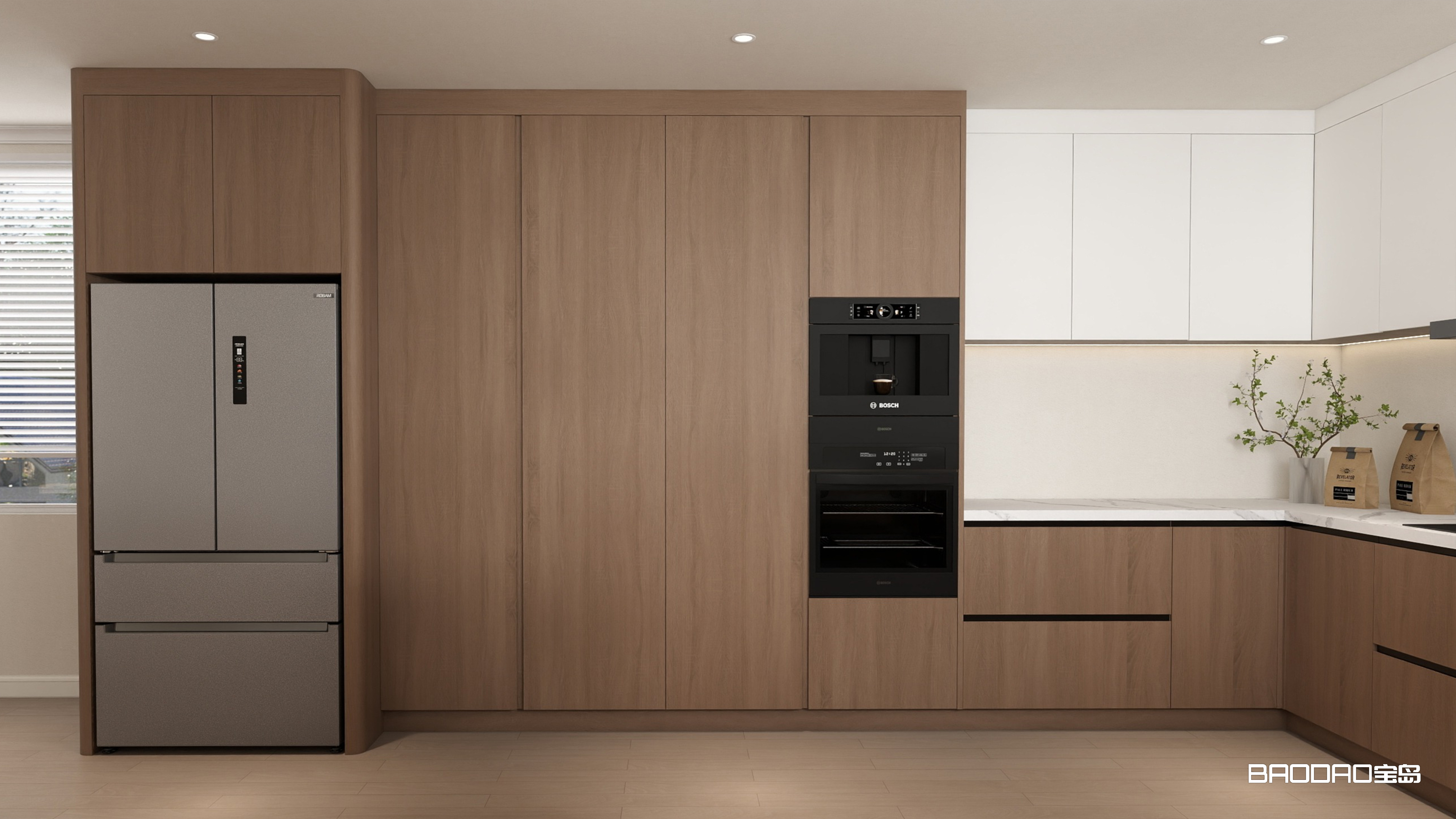
Overseas installation is the wrong stage to discover an incorrect dimension, missing fitting or conflicting connection. A suitable supplier should inspect components during production and verify critical assemblies before packing.
Ask which items are trial assembled, what is checked, how non-conformities are recorded and whether the client receives photographs or video before shipment. Typical checks may cover dimensions, drilling positions, door and drawer alignment, hardware operation, finish quality, component quantities and the relationship between adjoining units.
International delivery requires more than placing finished panels in cartons. Products may pass through domestic transport, container loading, ocean freight, port handling and local transport before reaching the site. Veneer, lacquer, glass, aluminium profiles and projecting hardware need different types of protection.
Request the packaging specification, package numbering method, packing list format and container-loading plan. Labels should help the receiving team identify the project, room, product and package sequence without opening every carton. Confirm how fragile items, spare parts, installation hardware and technical documents will be separated and recorded.
Ask for shipping evidence before release:
• Final package count and packing list.
• Photographs of protected components and package labels.
• Container-loading photographs and seal information where applicable.
• Agreed shipping term and clear responsibility for each logistics stage.
A factory can produce accurate joinery while the completed installation still depends on site readiness, measurements, local trades and the installer's understanding of the drawings. The service boundary must therefore be agreed before the order is placed.
Confirm who verifies site dimensions, who supplies installation drawings, who interprets package numbers, how technical questions are submitted and what happens if parts are damaged or missing. If a local contractor will install the products, ask whether the supplier can brief that team and what response time or support hours are included.
The contract should distinguish factory defects from site conditions, incorrect measurements, storage damage, installation errors and later design changes. It should also explain the process for replacement parts and the evidence required for a claim.
A relevant case study shows whether a supplier has managed a similar product mix, project scale and delivery environment. Renderings alone do not demonstrate manufacturing quality, packaging, installation coordination or the final relationship between the joinery and the building.
Request completed photographs or video, the approximate scope, project location and examples of technical details. The closest reference is usually one with similar complexity rather than one with the same visual style. For an apartment development, ask about repeated unit types and package control. For a villa or hotel, ask about integrated materials, unusual details and coordination with other trades.
A professional presentation does not replace a complete specification. Pause the approval process if you find any of the following gaps:
• The quotation does not state the substrate, finish, thickness, hardware or excluded work.
• The supplier cannot explain who prepares shop drawings or who approves revisions.
• Samples and final product specifications are not connected by a written approval record.
• Quality inspection, preassembly, packaging and package identification are described only in general terms.
• Responsibility for site dimensions, installation questions, damaged parts or replacements is unclear.
Before selecting a supplier, compare the complete delivered scope rather than the cabinet price alone. A more detailed proposal often reveals costs and responsibilities that are hidden in a shorter quotation.
A cabinet manufacturer produces cabinetry in its own facility. A joinery supplier may manufacture directly, coordinate subcontract factories or manage a wider package that includes cabinets, doors and wall panels. Buyers should verify the actual production model and service scope instead of relying on the company label.
A useful quotation identifies the product scope, quantities, substrates, finishes, hardware, accessories, drawing service, samples, quality checks, packaging, shipping terms, installation support, exclusions, payment stages and validity period. Drawings and schedules should be referenced so the price is tied to a defined scope.
Provide architectural plans, elevations, room dimensions and any joinery concepts available. Include appliance information, reflected ceiling plans and relevant mechanical and electrical points when they affect cabinetry. Early estimates may use incomplete information, but production pricing requires a confirmed scope and measurable dimensions.
Compare the same rooms, materials, hardware, drawing deliverables, quality checks, packaging, shipping term and support obligations. Separate optional items and allowances. If one supplier has omitted a service, add the likely cost of obtaining it elsewhere before comparing totals.
Yes, if the service is agreed before production. Support may include installation drawings, package labels, assembly instructions, remote technical meetings and replacement-part coordination. The local installer remains responsible for site work unless the contract clearly assigns a different role.
Pre-assembly allows the factory to check critical dimensions, connections, alignment and hardware operation before shipping. It cannot remove every site risk, but it can identify manufacturing or coordination issues while corrections are still easier to make.
Choosing a joinery supplier should result in a clear record of what will be designed, manufactured, checked, packed, shipped and supported. Strong answers are specific and supported by drawings, samples, schedules, factory evidence and completed projects.
Block Quote